Sciatica treatment starts with staying active, exercise therapy and pain relief, and most people improve within weeks to a few months. UK NICE guidelines advise against gabapentin-type drugs, oral steroids and benzodiazepines for sciatica. Injections help some people; surgery is for red flags or pain that will not settle.
What causes sciatica
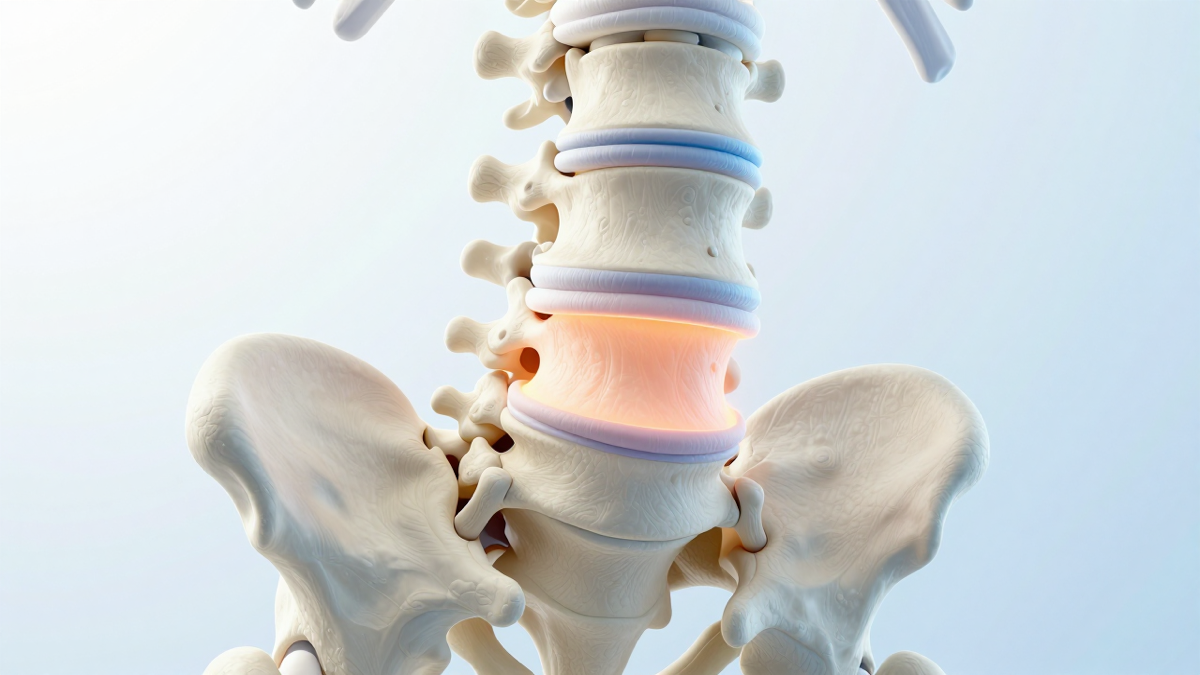
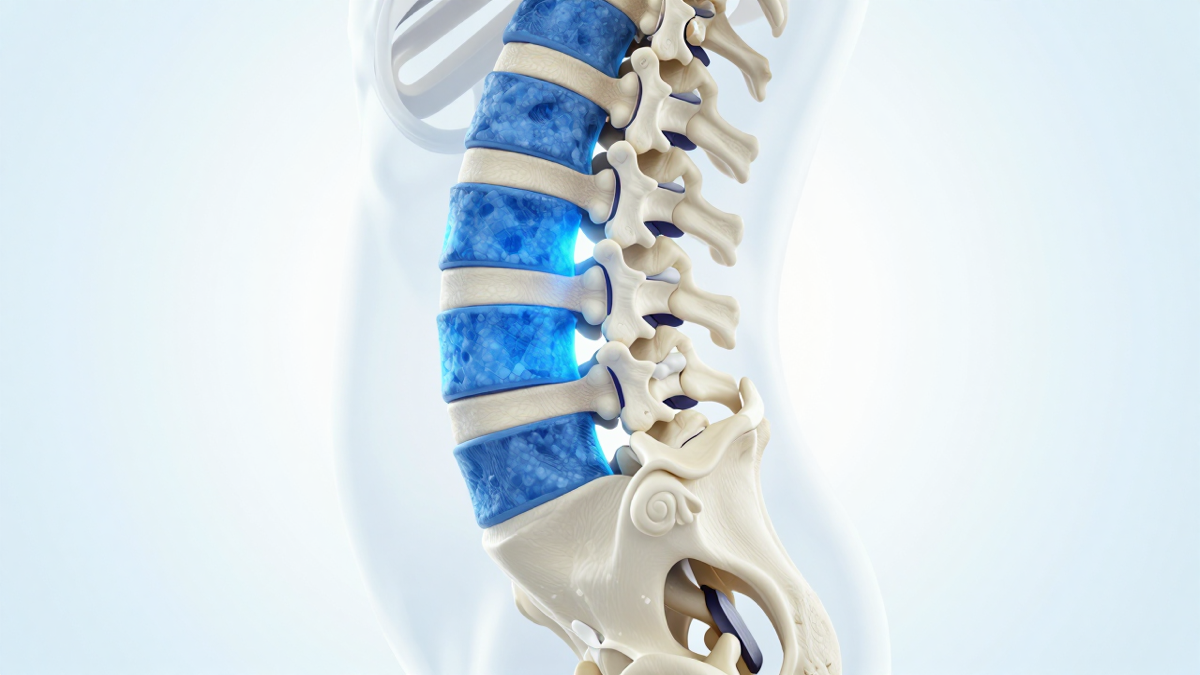
Usually a herniated disc or spinal stenosis pressing on a nerve root in the lower back. Pain runs from the buttock down the back of the leg, often below the knee.
Back or leg pain for more than 6 weeks? Get the free guide and a doctor review of your scan.
Sciatica treatment options
| Treatment | Notes |
|---|---|
| Stay active | Bed rest slows recovery |
| Sciatica exercises | Nerve glides, gentle extension, walking |
| Physiotherapy | Tailored programme |
| NSAIDs | Short courses if safe |
| Epidural steroid injection | NICE: consider for acute severe sciatica |
| PRP / stem cells | Newer options, early evidence |
| Surgery | Red flags or persistent severe pain |
How long does sciatica last?
Many cases ease within 4 to 6 weeks; some take several months. Pain that is not improving after 3 months should be reviewed with an MRI.